Project summary:
The Heights of the Hollow is a beginner-focused Dungeons & Dragons campaign module designed with user experience at its core. this project reimagines how new players interact with tabletop roleplaying by streamlining the onboarding process—from character creation to in-game decision-making. Every design choice prioritizes clarity, accessibility, and engagement, helping first-time players navigate complex mechanics through intuitive layouts, guided instructions, and worldbuilding that invites exploration without overwhelming. By removing common barriers to entry, The Heights of the Hollow transforms what is often a daunting first step into an inviting and memorable adventure.
To playtest the campaign, I gathered a group of six friends who had never played Dungeons & Dragons before. Their feedback and firsthand experiences were essential in identifying pain points, refining the onboarding process, and shaping the overall user experience.
Research
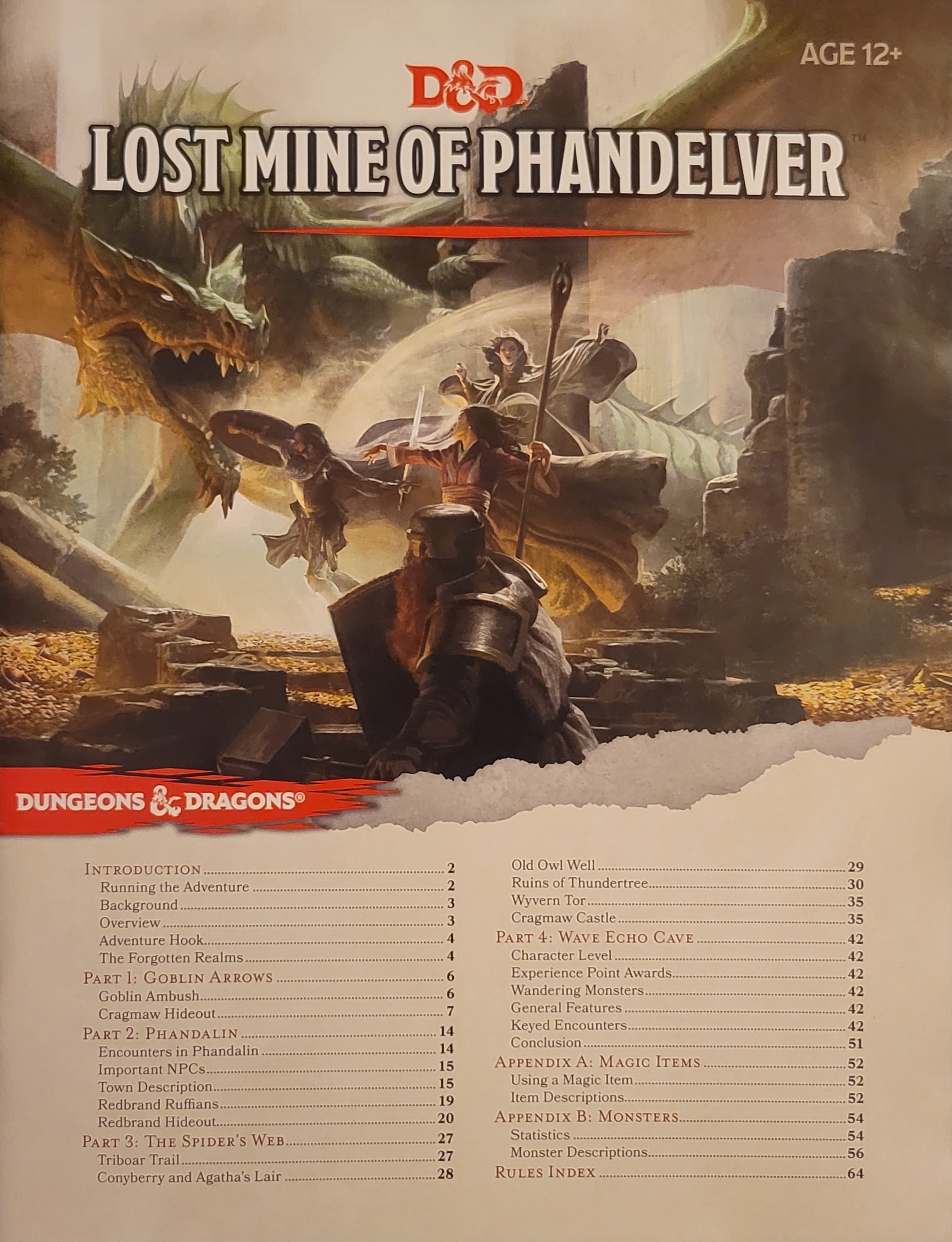
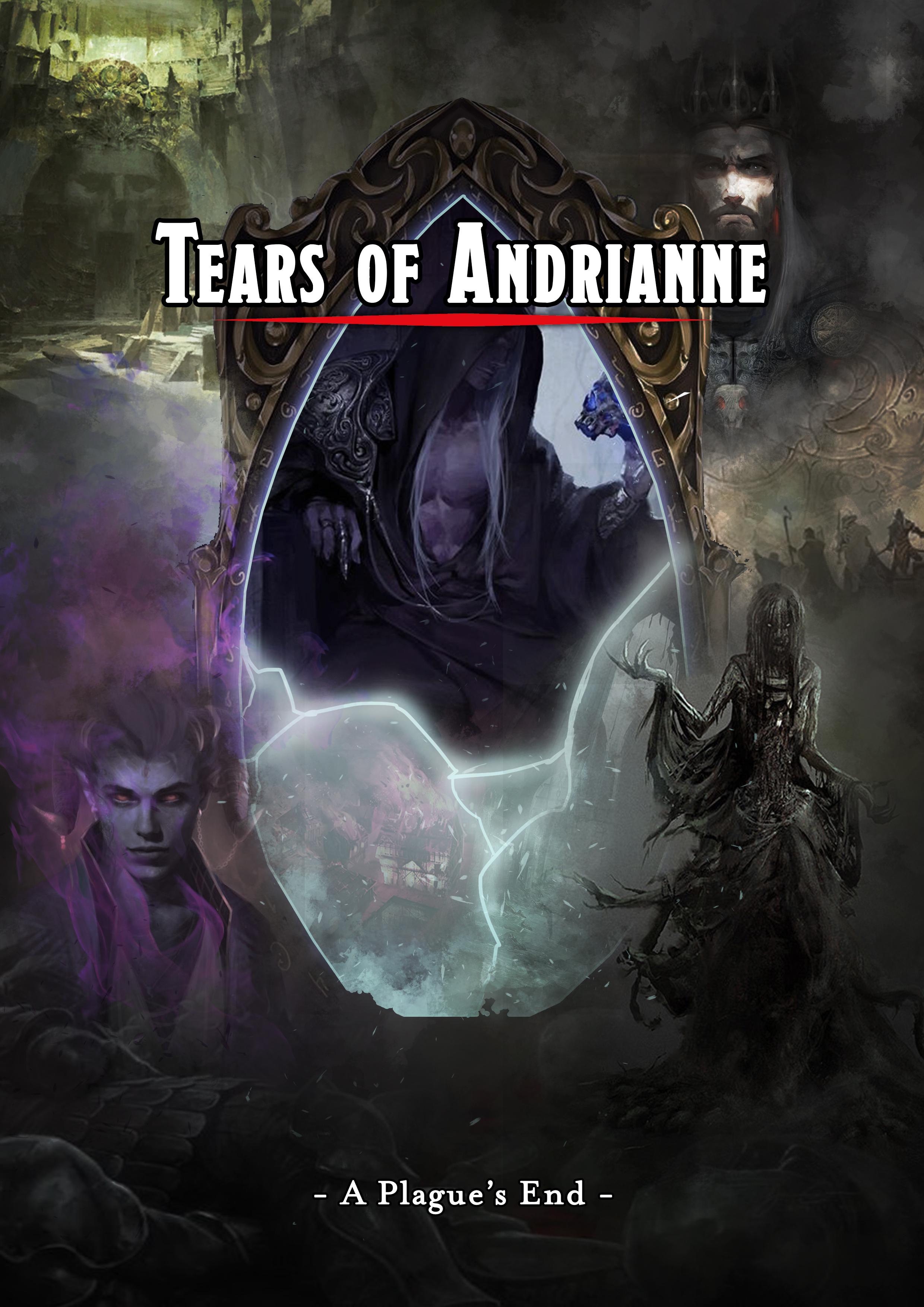
To inform the design of this project, I began by researching the user experience of both official and unofficial Dungeons & Dragons modules. Through a comparative analysis of entry-level campaigns, I identified key UX patterns and pain points. Official modules often provide strong structural guidance but can lack flexibility or narrative depth, while homebrew modules offer rich storytelling but frequently fall short in offering clear, actionable direction for new players. A consistent issue across both was a lack of intuitive onboarding—players are often left unsure of what they can or should do next. This insight became central to my design goal: to create a module that balances storytelling and structure while prioritizing clarity, choice, and user confidence at every step of the experience. The player should feel good about what they do, it’s a game after all.
opportunities
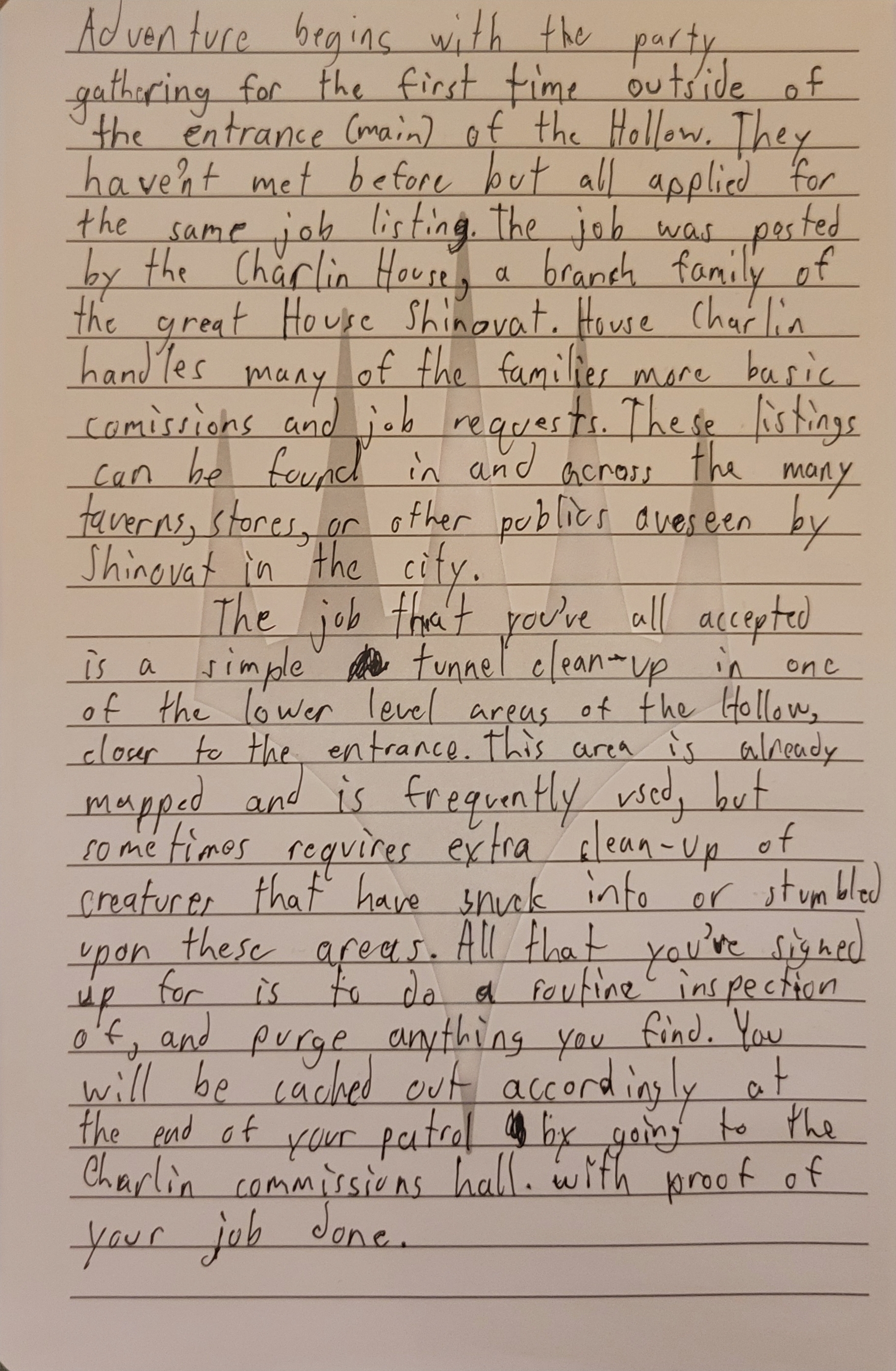
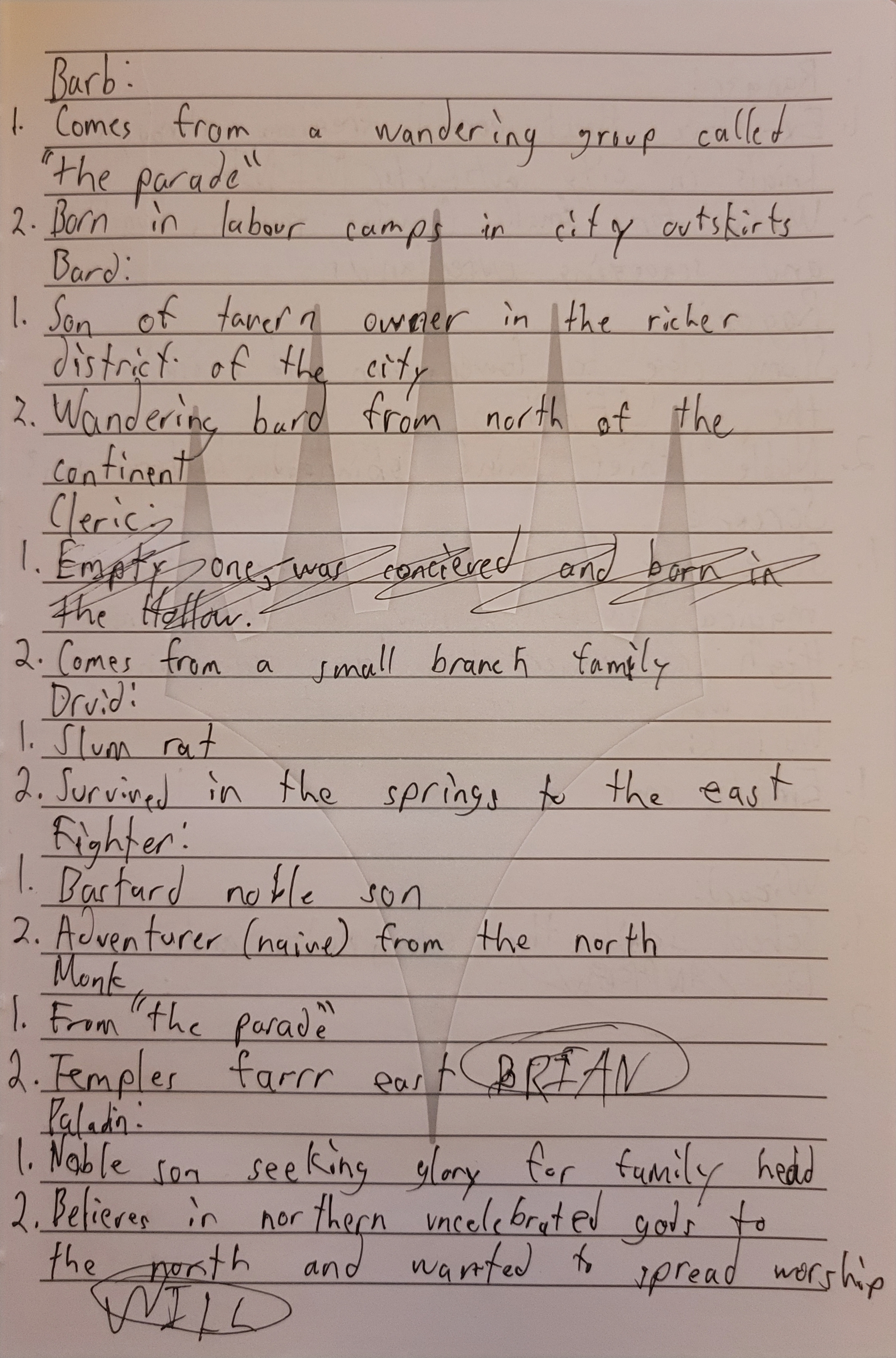
From my initial research, I identified three core user experience pain points that often disrupt a new player’s introduction to Dungeons & Dragons: complex character creation, unclear game mechanics, and a lack of early initiative or direction. The two journal pages above—early sketches exploring a first quest and ideas for streamlining character creation—represent my initial attempts to address these issues from a user-centered design perspective.
These early concepts led to three focused design opportunities that shaped The Heights of the Hollow:
- Simplified Character Creation – I developed a guided process that pairs mechanical choices with narrative prompts, helping players create characters through structured, story-rich decisions. This reduces overwhelm while encouraging emotional investment from the very start.
- Intuitive Mechanics Onboarding – The first quest is built to introduce gameplay fundamentals—like combat, exploration, and roleplaying—organically through storytelling. In-margin tips, visual references, and scenario-based teaching help players learn by doing rather than reading blocks of rules.
- Encouraging Player Initiative – Instead of rigid direction, early quests are designed with open-ended objectives and narrative cues that invite exploration and decision-making. This gives players a sense of freedom while still guiding them toward meaningful choices.
First steps
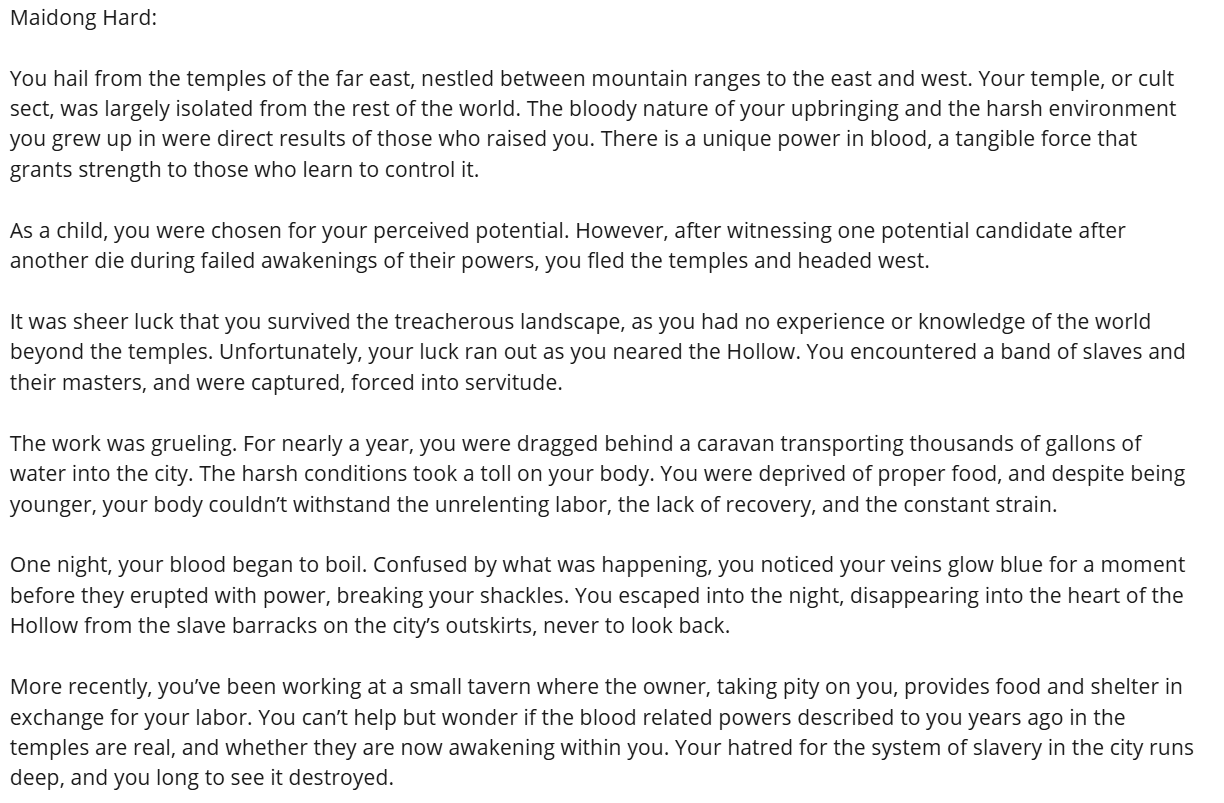
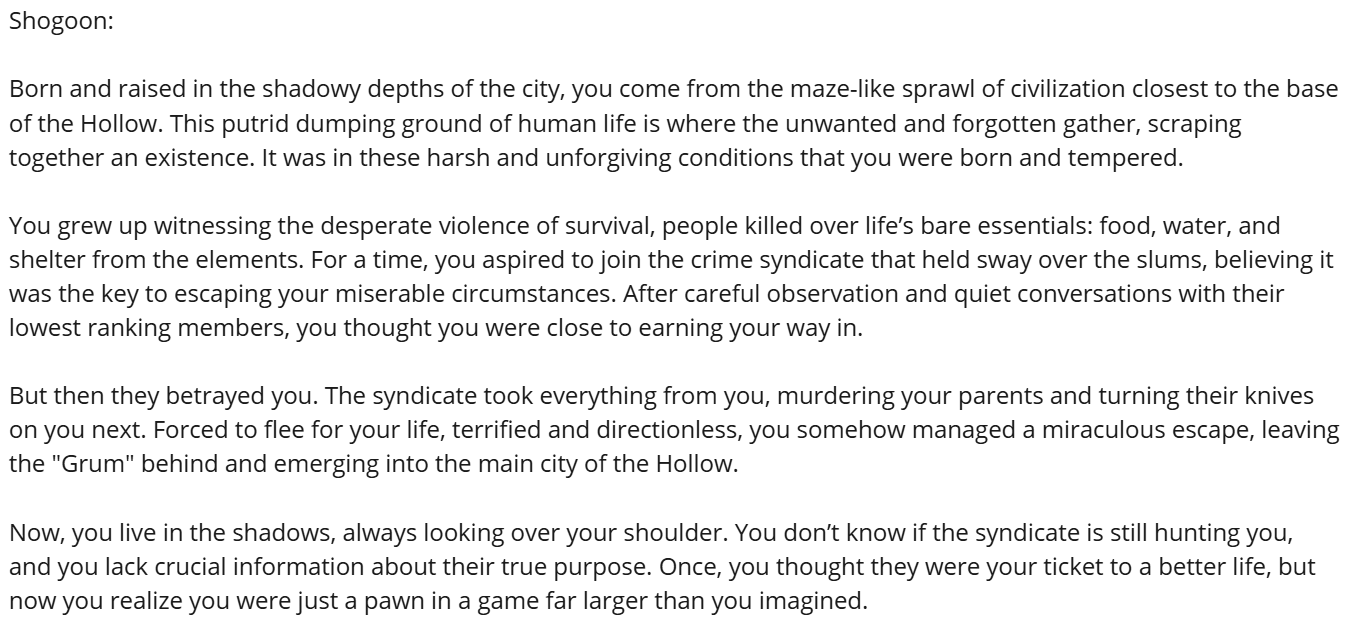
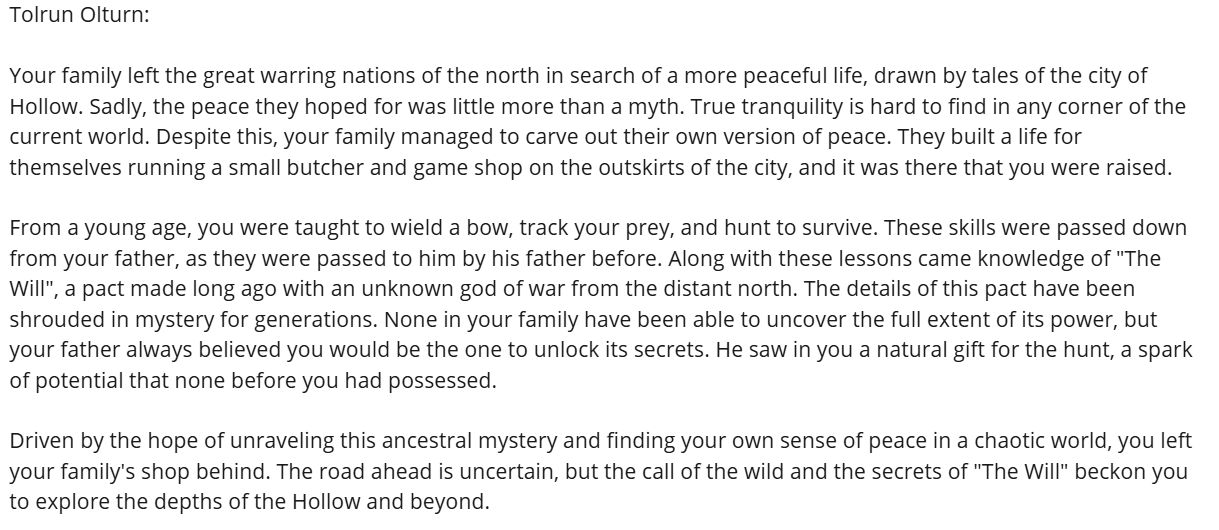
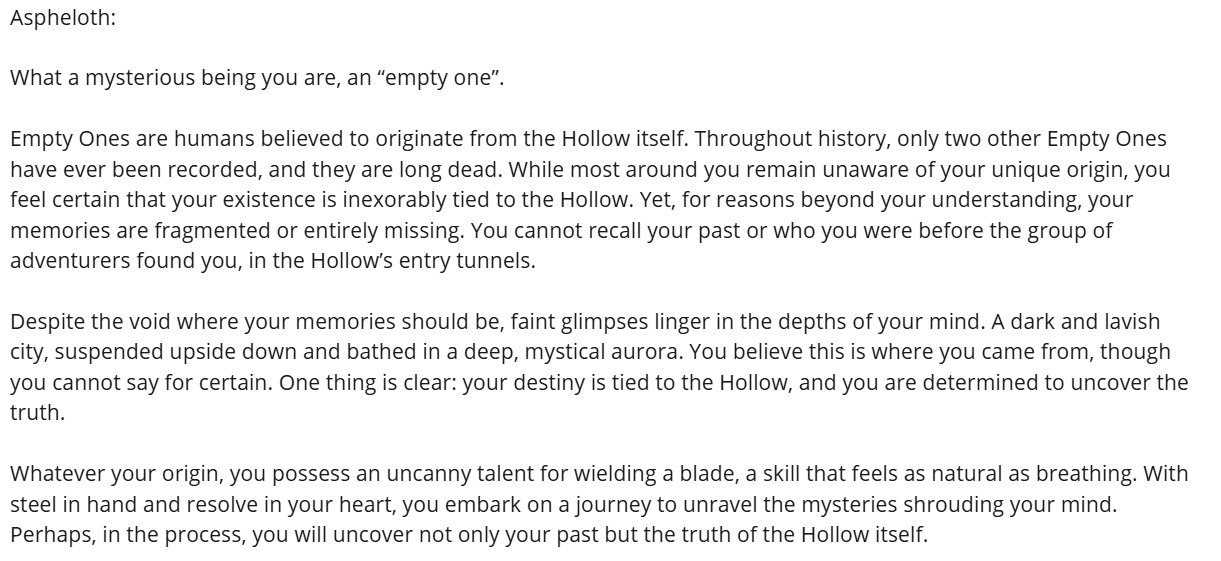
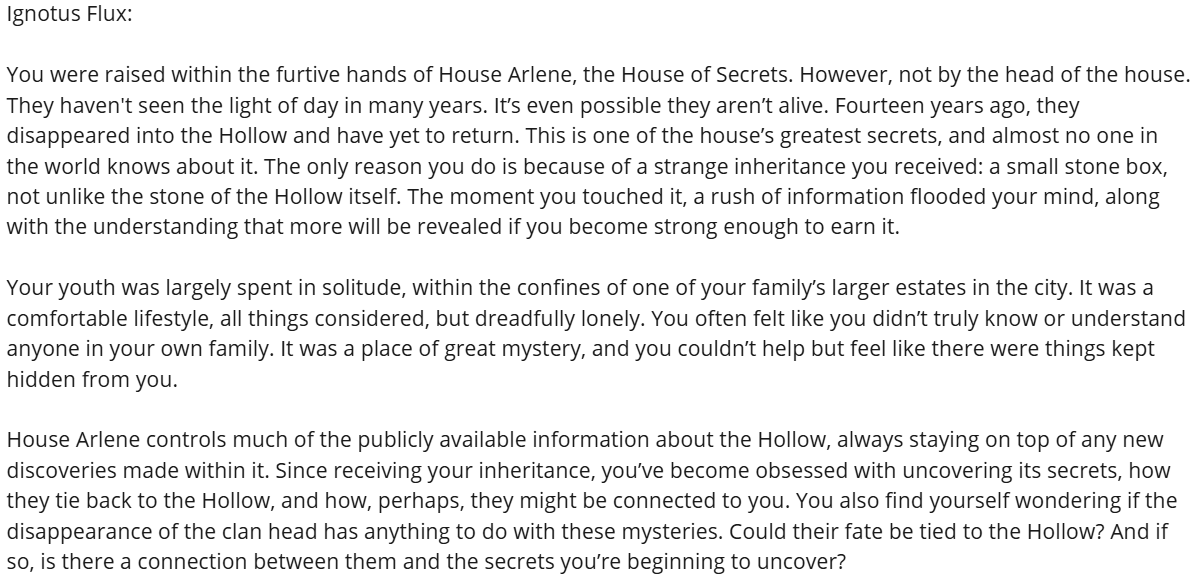
Building on these initial notes, I expanded character backstories into a structured, choice-based system that players could engage with right away. For every class, I wrote two unique backstory options tailored to fit a variety of play styles and personalities. The ones chosen by my players are shown above. This approach was meant to minimize prep time and reduce the intimidation factor of starting from scratch—allowing the game to begin as quickly as possible.
Once a player selects a backstory, they receive a more detailed character sheet that includes personalized notes: motivations, personality traits, goals, and even hidden secrets specific to their chosen identity. The goal of these additions was to not only speed up the onboarding process, but also give players a strong narrative foundation to roleplay from, helping them feel immersed and invested from the moment the game begins.
Session one and beyond
The character options were a great success, it only took about an hour to set up six people’s characters, as opposed to the usual three to four.
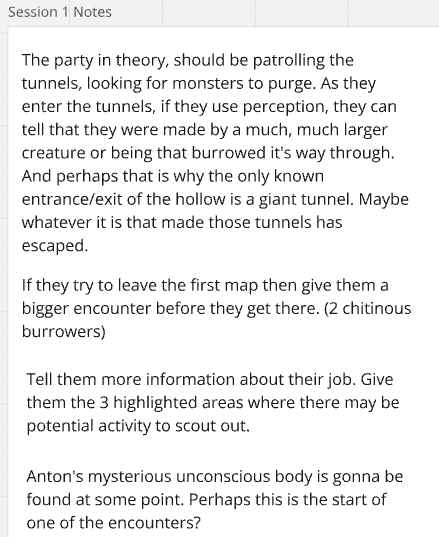
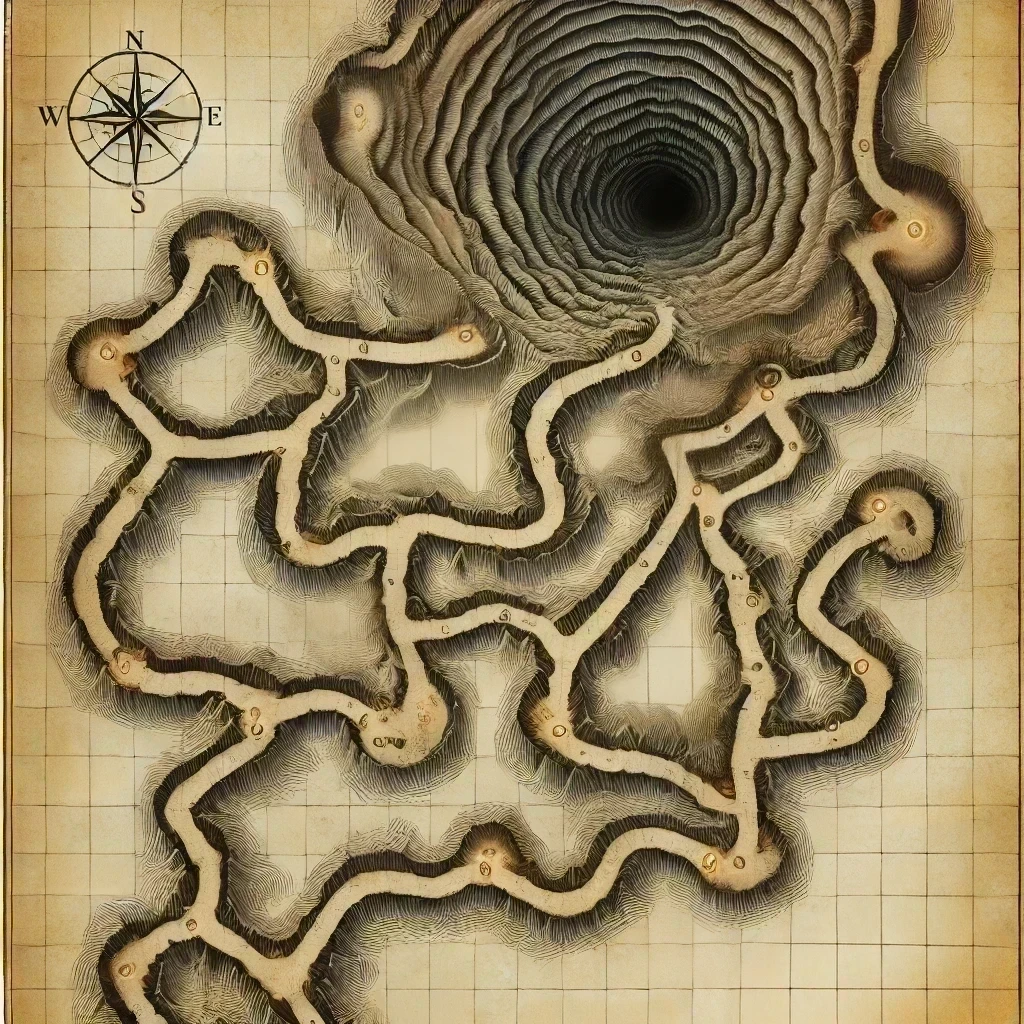
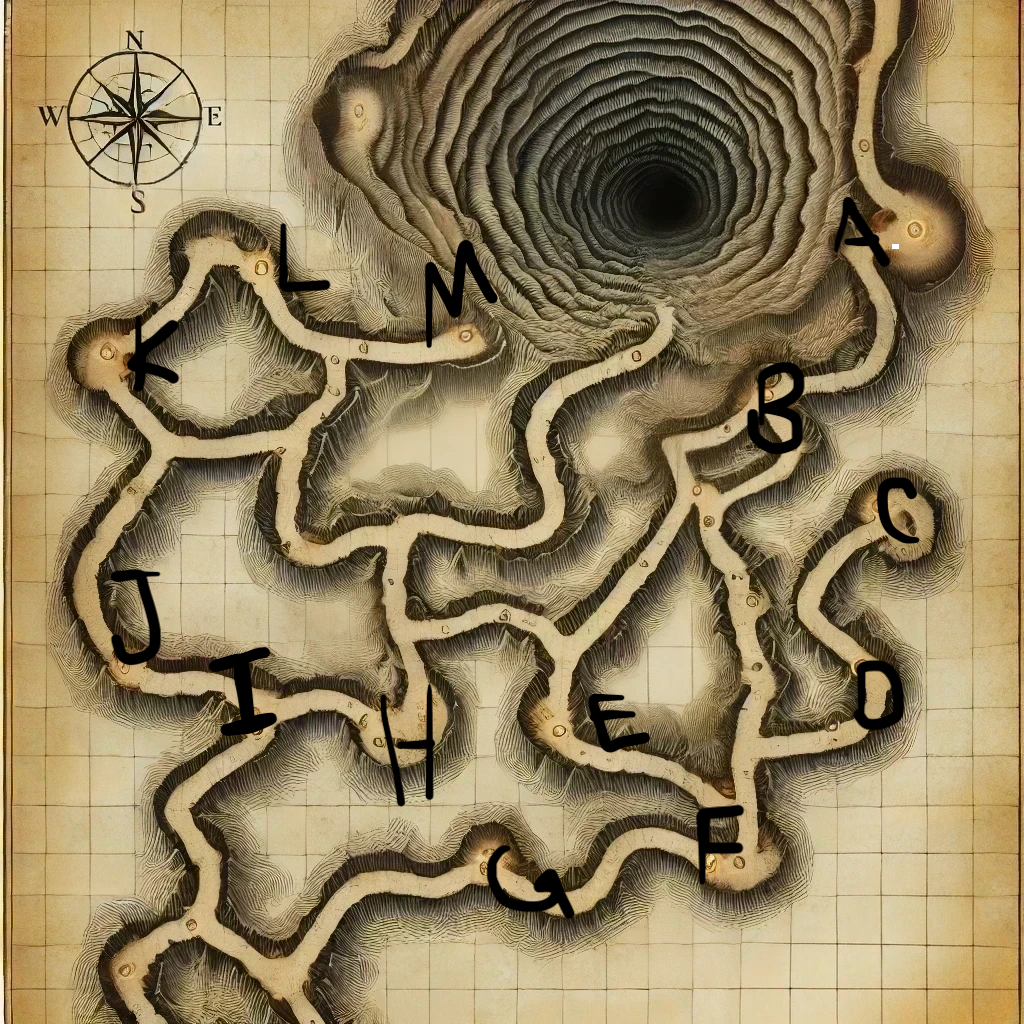
Then came the first quest. My goal was to help everyone get comfortable with the basics while tracking what worked and what didn’t.
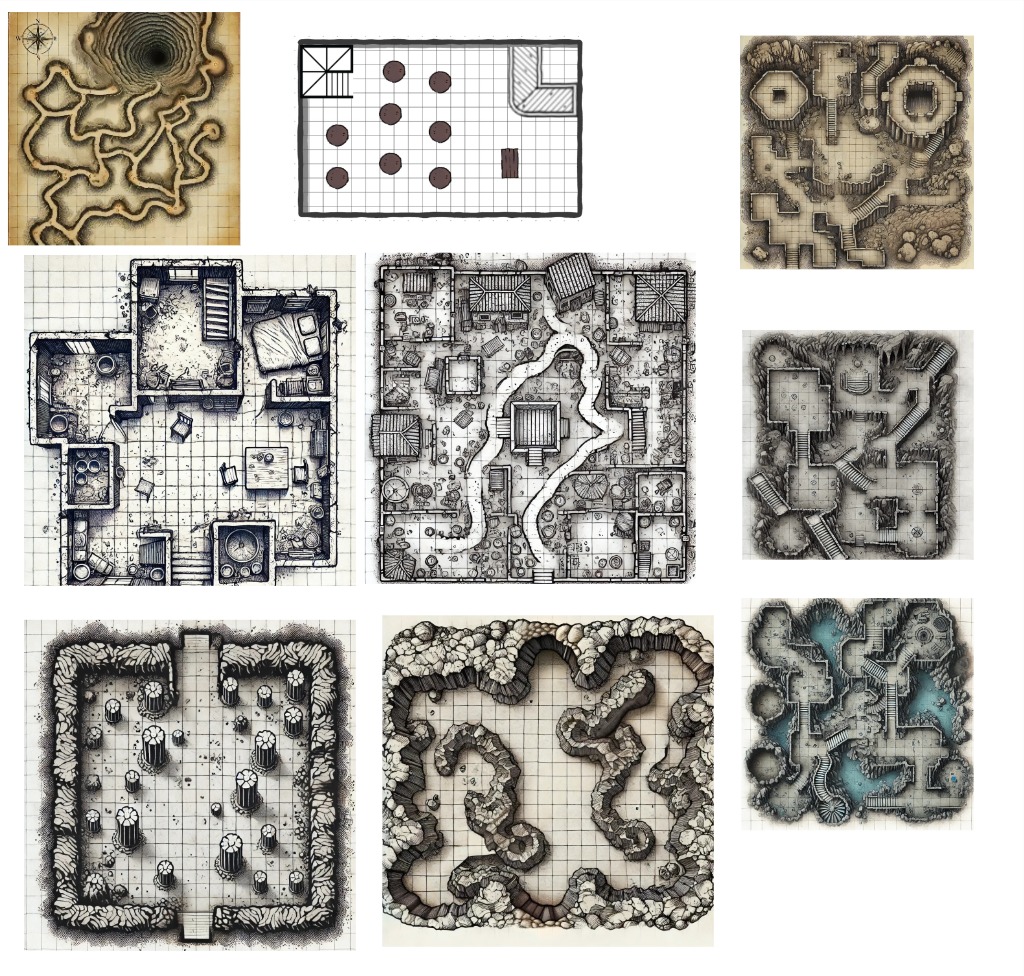
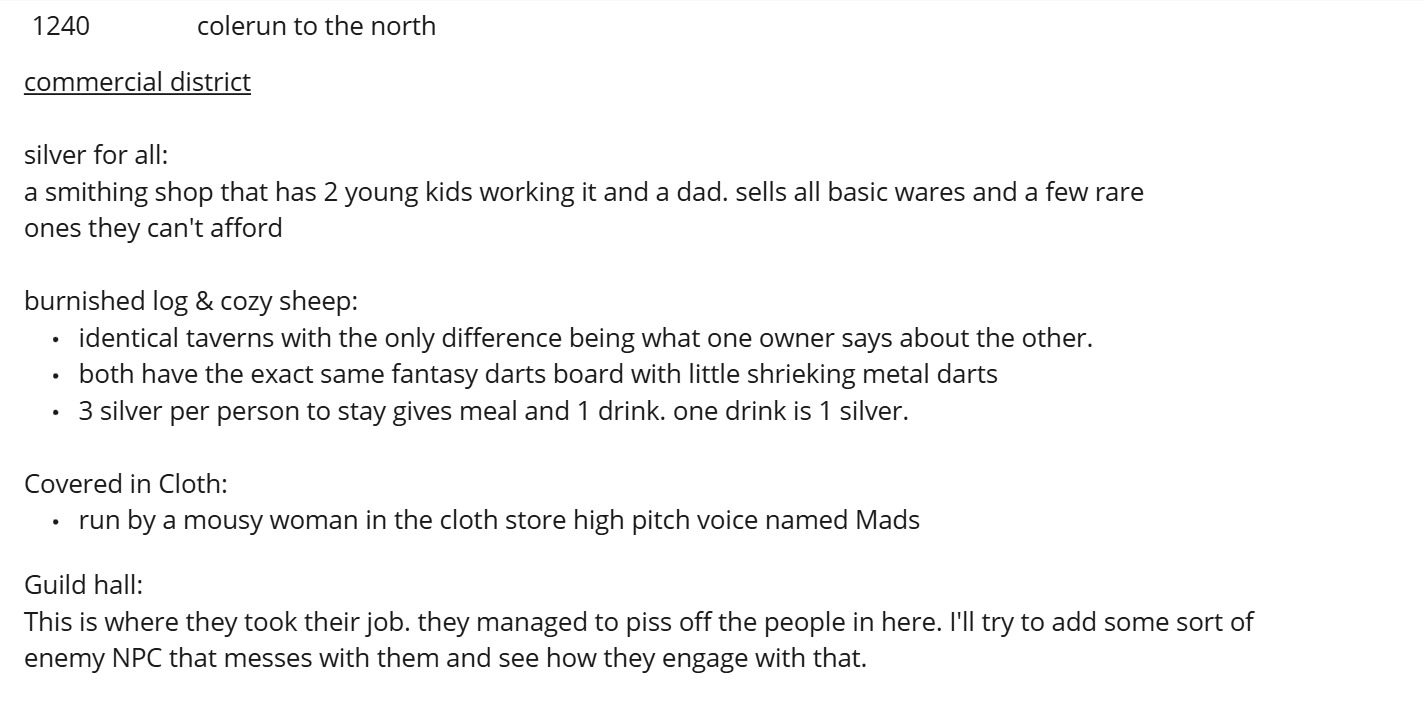
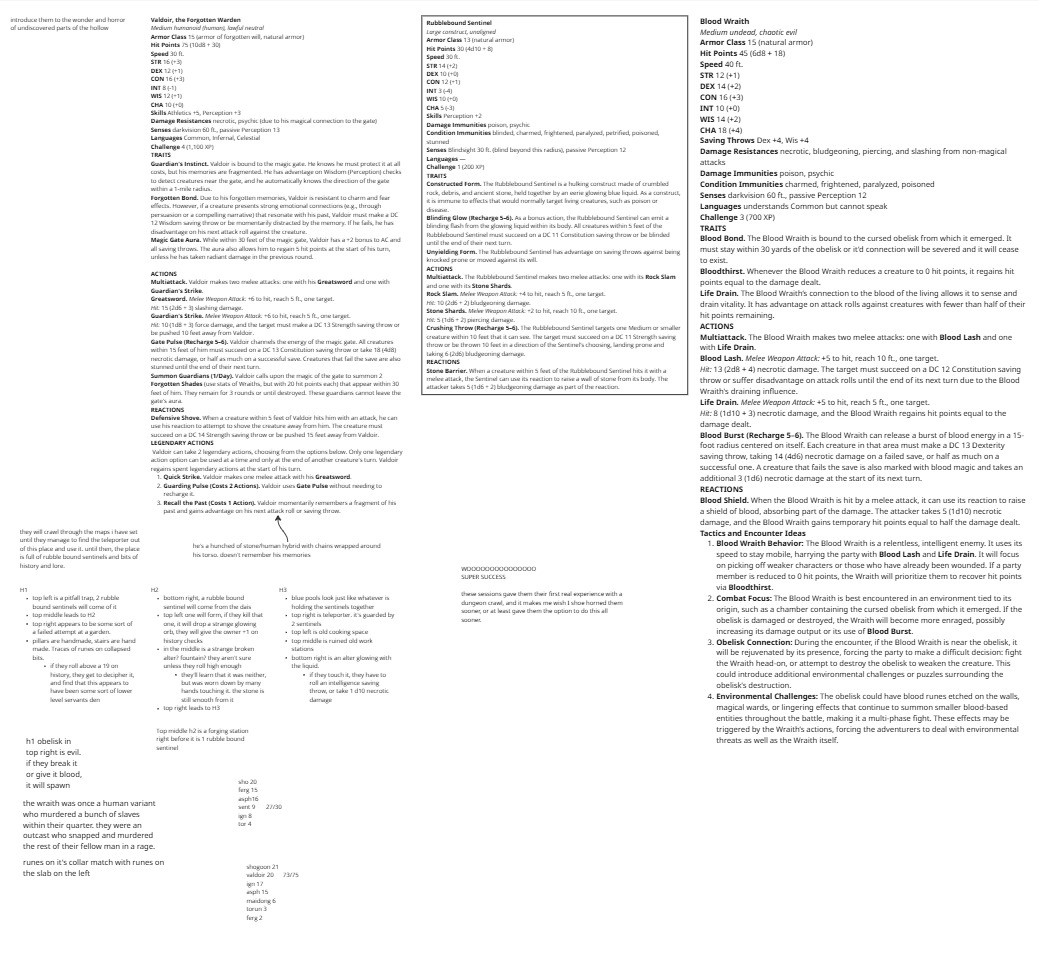
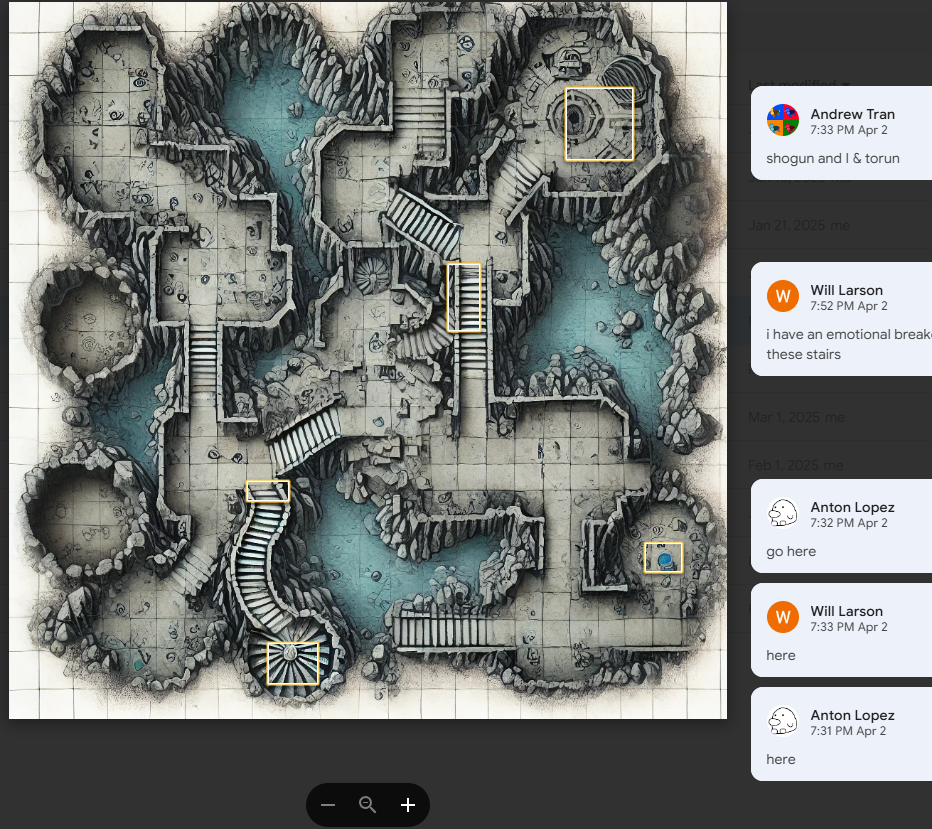
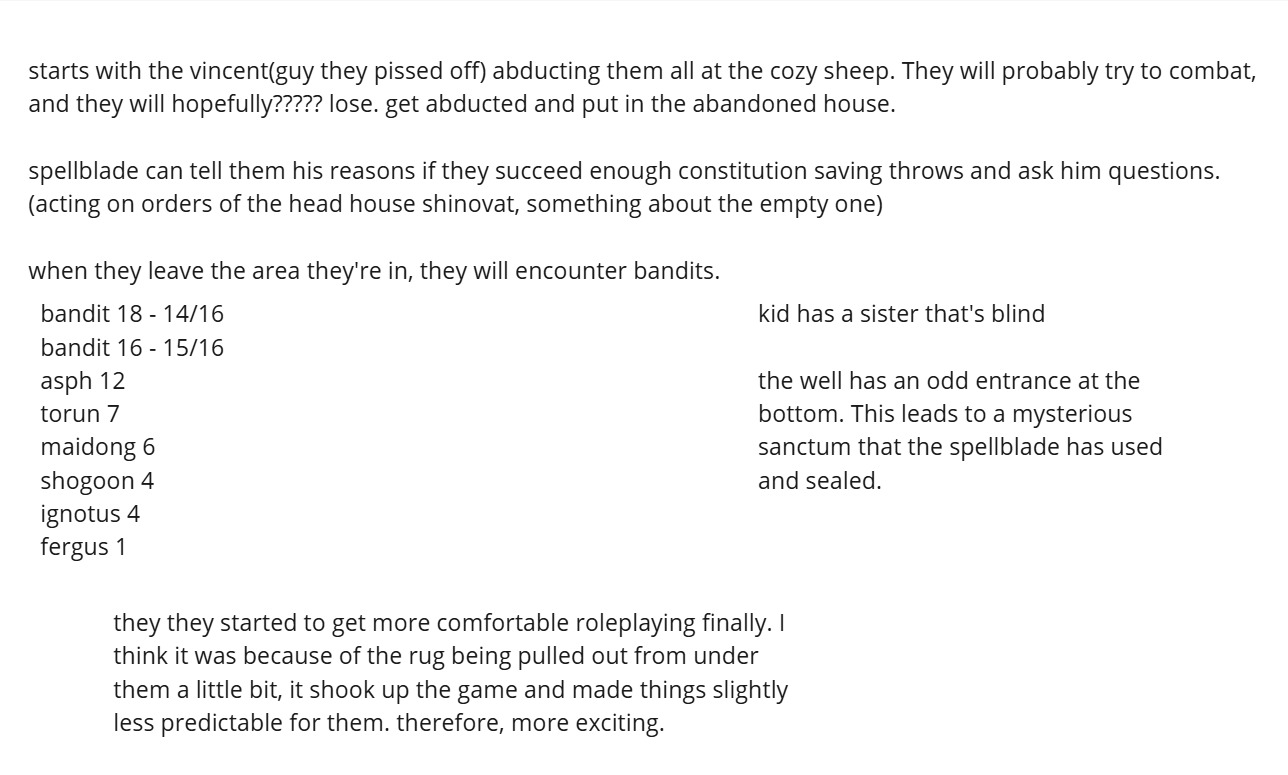
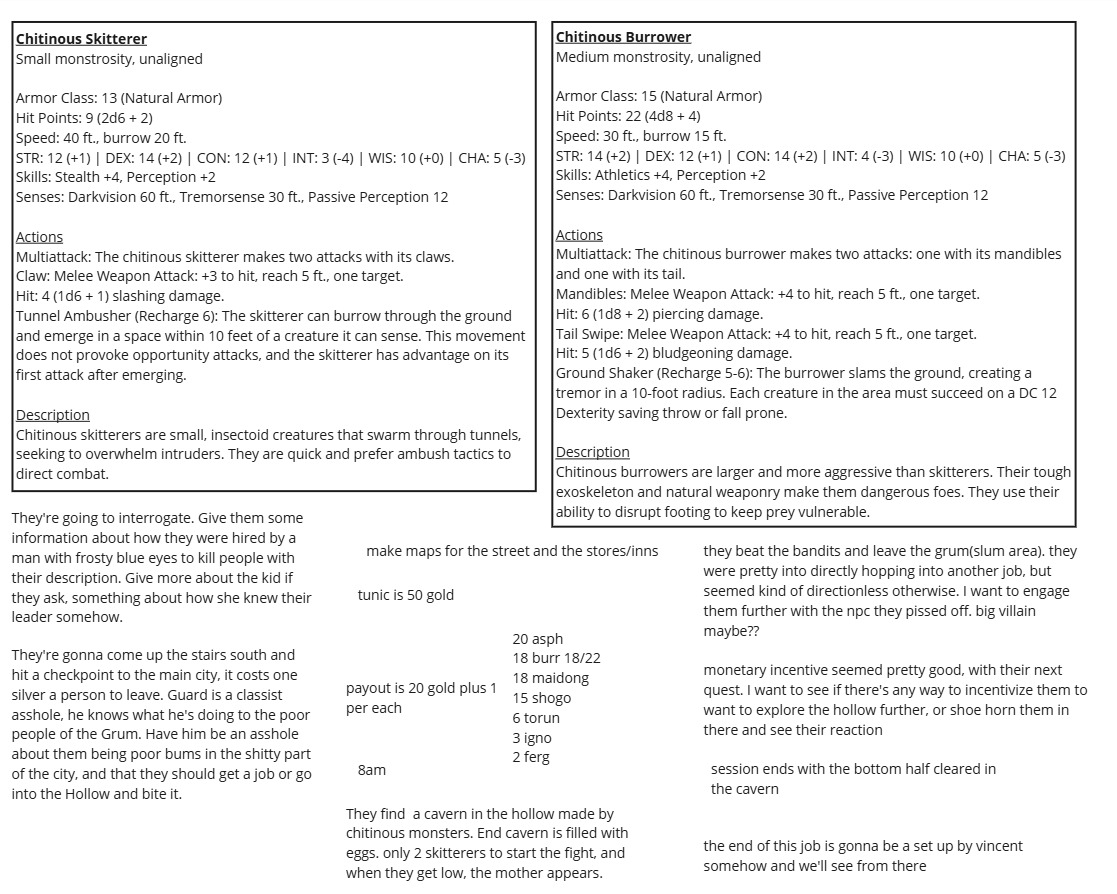
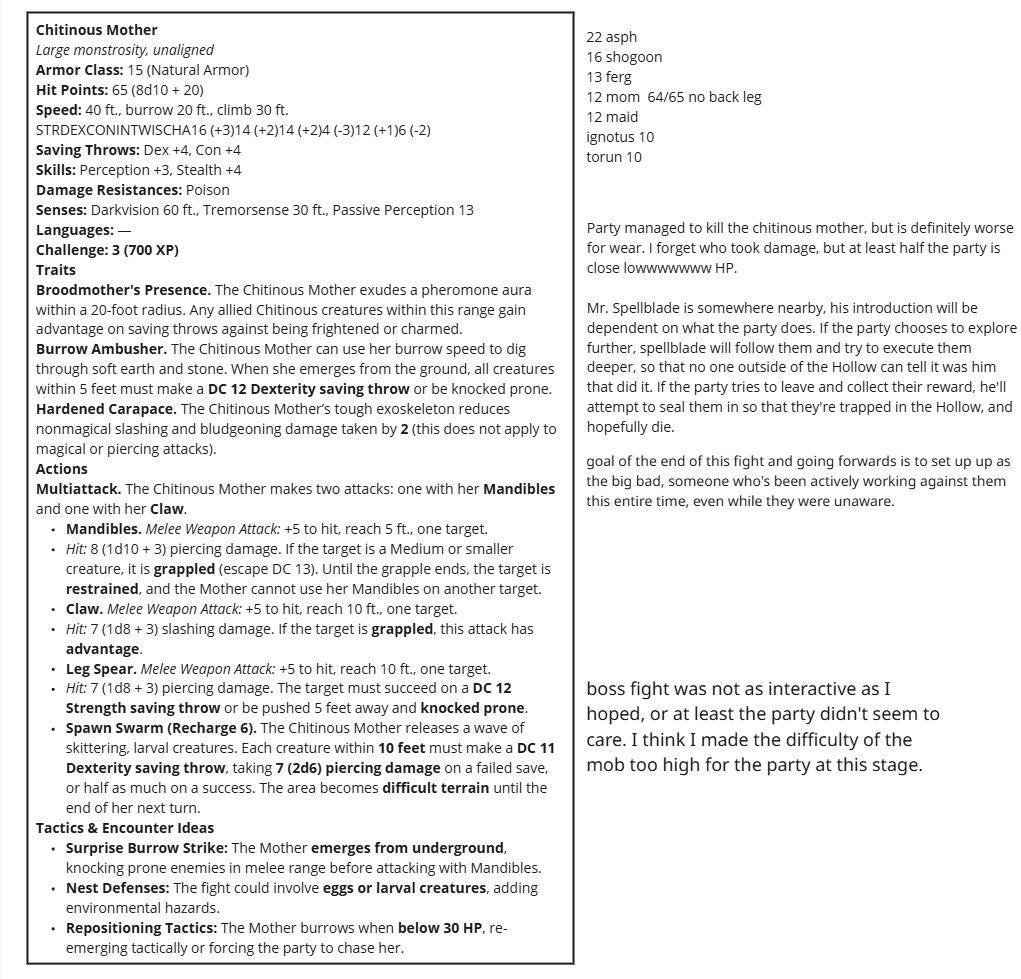
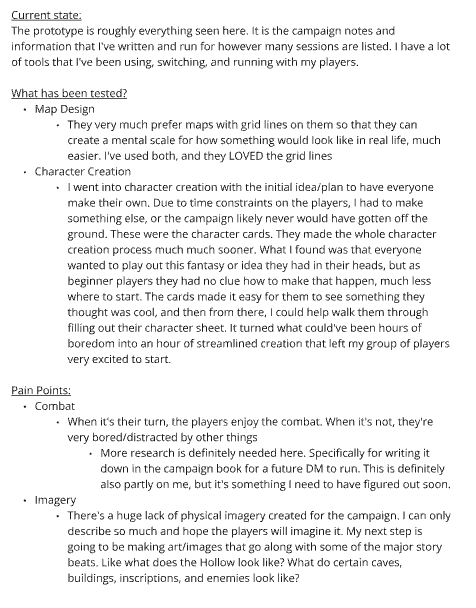
Thus began the long, iterative process of playtesting different approaches to encourage player engagement, role-playing, and excitement for the game. I ran a session every week, and with each one, I tested various methods. The biggest challenge in the design process was figuring out how to help first-time players better want to engage with the game mechanics and world. My goal was to find the “cure-all” method—one that was most universally successful—that I could implement early in the module to improve player engagement and excitement in future campaigns. The methods I explored were all sourced from research, including reading both official and homebrew modules Above are some of the notes I took during sessions.
Methods:
- NPC engagement
- Monster/boss mechanics
- Map/room interactivity
- Plot related antagonist
- Easier to understand combat
- Map Designs
Takeaways
A lot has happened since starting the test run campaign, but the most successful method has been the use of NPCs and villains. Having another character actively move through the world, constantly getting in the players’ way, added a level of interactivity I don’t think would have been achieved otherwise. It ended up motivating the players to seek out new challenges and opportunities for growth and exploration.
More Visuals are also a must. I was so focused on the experience design that i let myself fall short on providing visuals for the players.
what’s next?
Up until now, this test run of the campaign has served as a large-scale research phase to determine what works—and what doesn’t—for new players. Through regular play sessions, I gathered feedback, observed how players engaged with the material, and adjusted the design in real time to better support onboarding and gameplay flow.
While my original goal was to create a fully finished, print-ready book or pamphlet that new players could simply pick up and start playing with, I came to realize that the scope and depth of that vision required more time than I initially thought. In response, I shifted my focus toward developing a solid, playtested foundation.
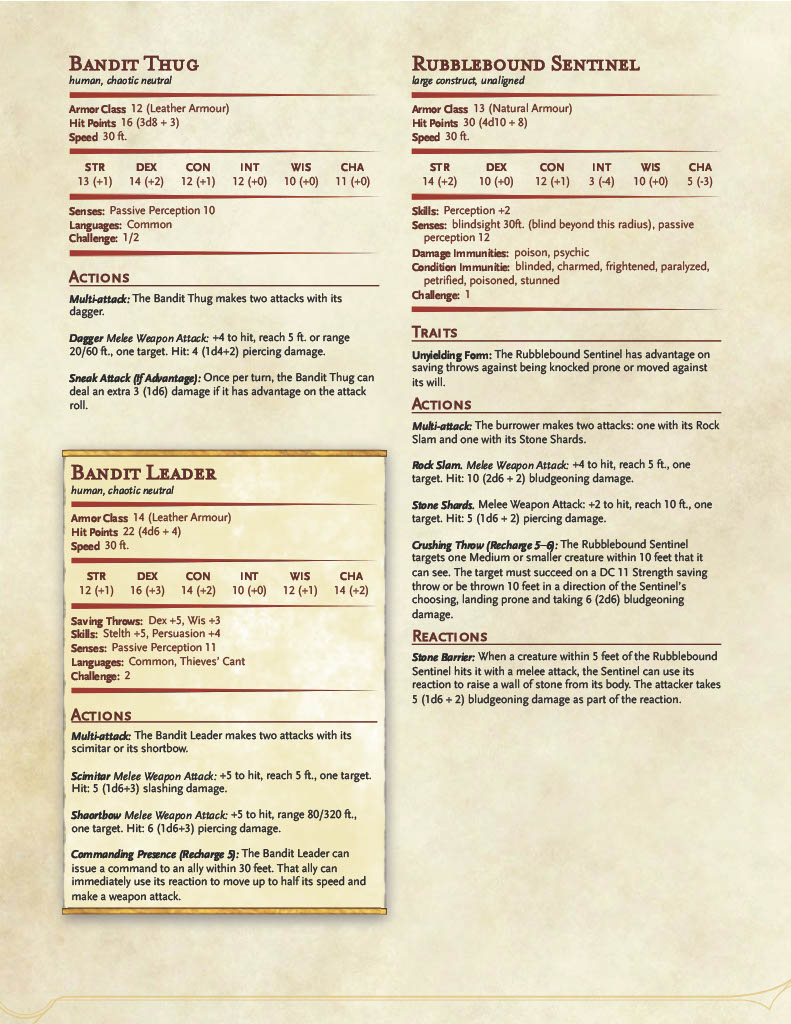
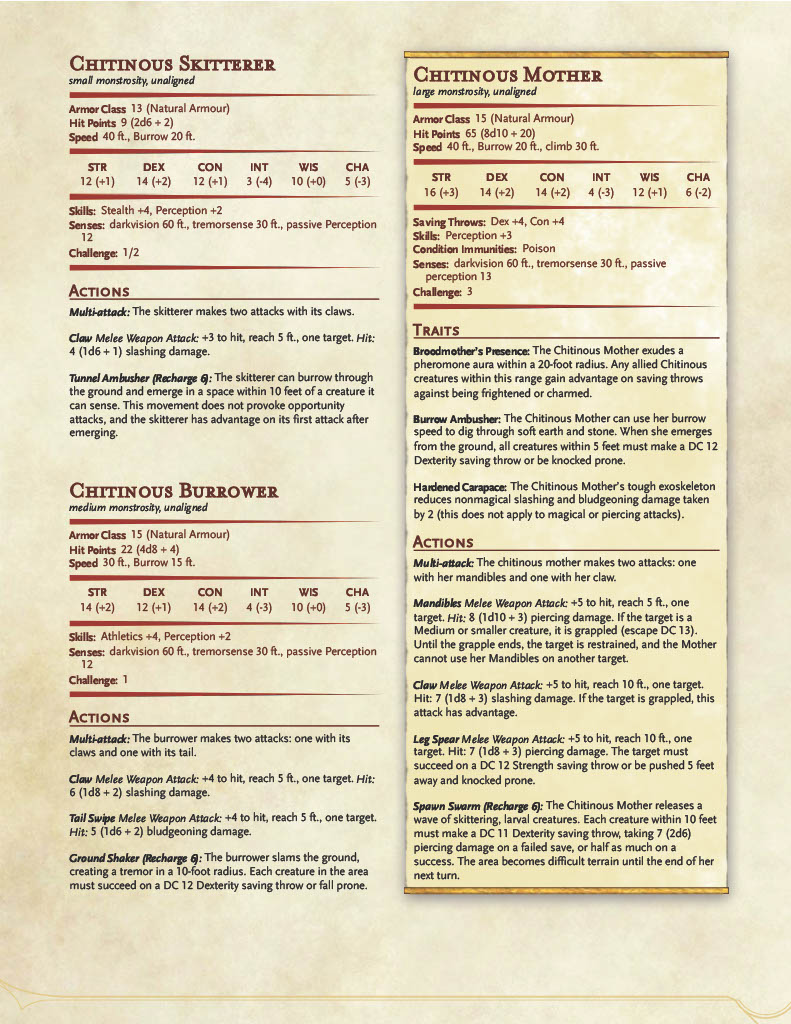
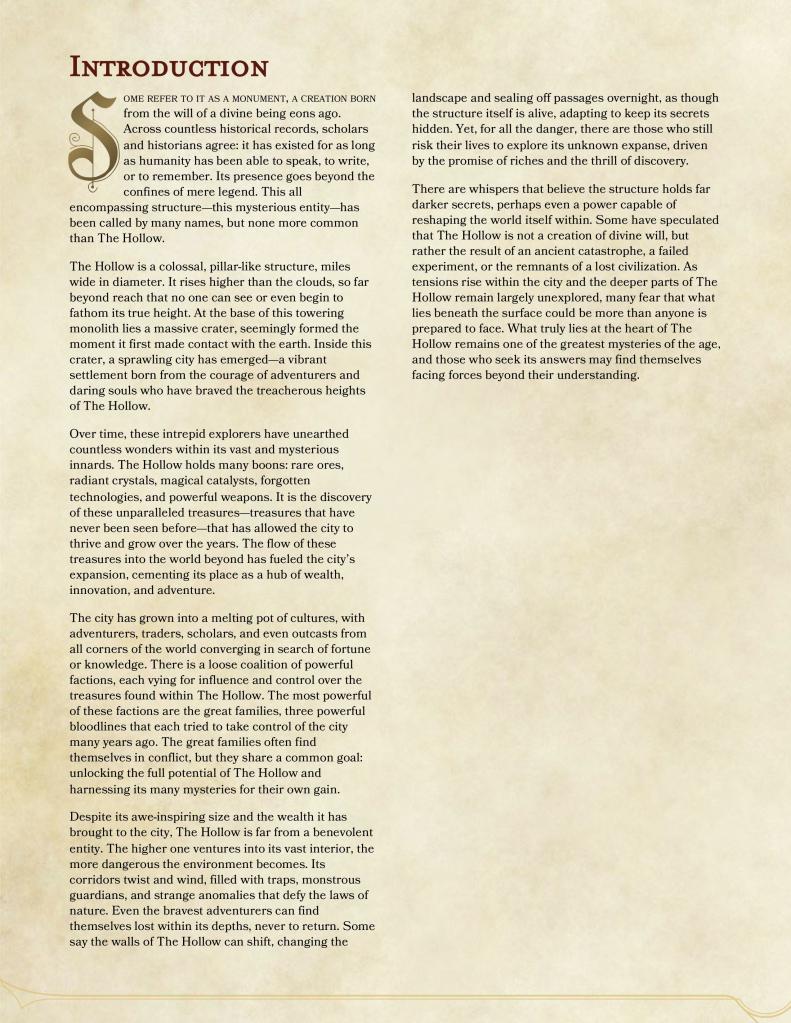
I will continue to bring that book into reality, but for now, here are some of the works in progress for transferring my notes and writing into book form.

Resuources used
World anvil – I used this to help make the maps I was using
Chatgpt – I used this to help make the maps I was using
Homebrewery – Using this to turn the writing and notes i have into a pdf format as well as get the visual style for D&D


 Colton LaBrecque - Graphic and UX Designer